Low-Water vs. High-Water Season: How River Landscapes Change Month by Month
A river in February and the same river in August are barely on speaking terms. One is a wide, loud, coffee-coloured thing that has swallowed the footpath and is making a grab for the fence posts. The other is a narrow, clear channel with a pale beach of gravel where the water used to be. Neither is the "real" river. Both are the river doing what it does with the water it has that week.
Learning to read that difference — and to plan around it — is the most useful skill a river visitor can pick up, whether you are there to walk, watch birds, fish, paddle or simply sit on a bank with a flask. The landscape you meet is not a fixed backdrop. It is a stage that gets rebuilt several times a year.
Two Seasons, One Channel
Most temperate rivers run on a rough split: a high-water season fed by persistent rain and, where there are hills or mountains upstream, by snowmelt; and a low-water season when evaporation, growing plants and thirsty soils take more than the sky gives back. In many places the wet months fall between late autumn and early spring, and low water runs from midsummer into early autumn.
That is a pattern, not a rule. A river fed by mountain snow can peak in late spring or early summer. A chalk stream may hardly stir from one month to the next. A river below a reservoir can be high in August for reasons that have nothing to do with the weather. So the first habit worth building is this: don't trust the calendar, check the gauge. Most rivers have a level station, and the reading is usually a tap away on a phone. Look at the trend as well as the number. Two or three days of readings tell you far more than a single figure — a river dropping steadily after rain is a very different place from one still climbing.
High Water: The Wide Version
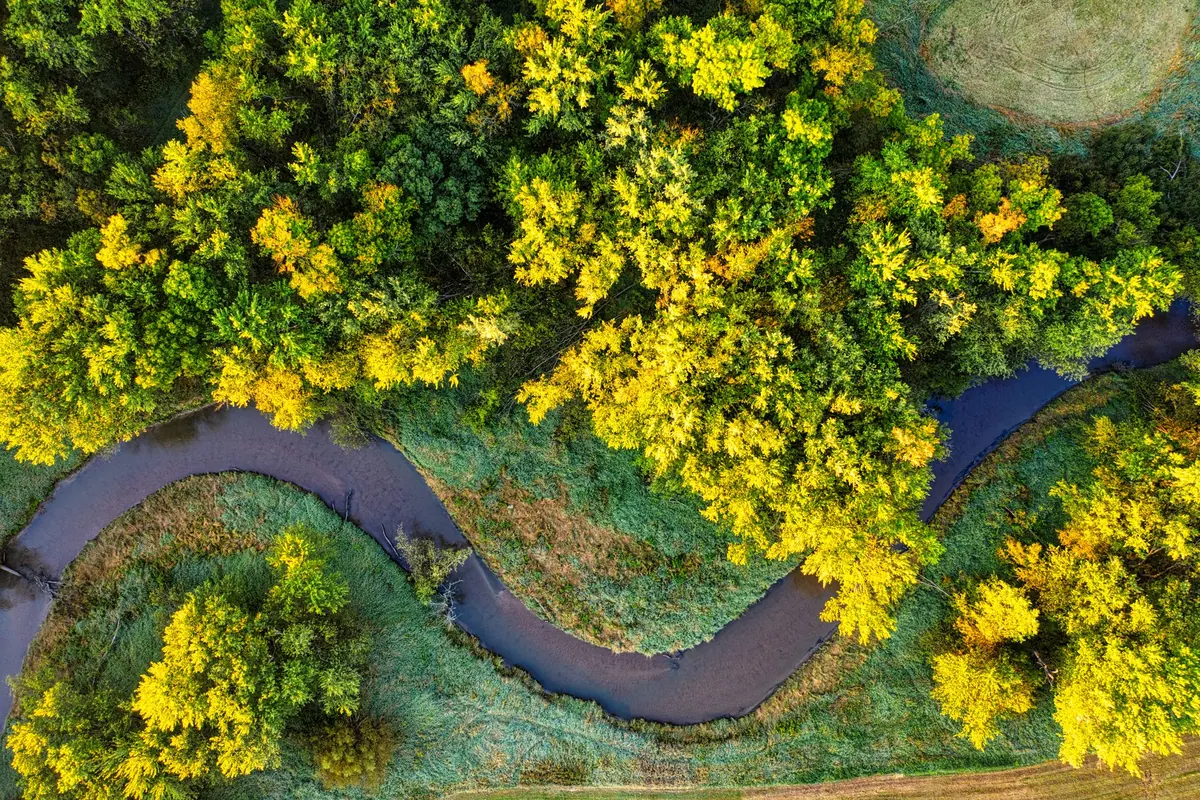
The first thing that changes is the geometry. The channel that had a defined shape becomes a continuous sheet of moving water. Grass banks disappear. Ditches and floodplain hollows fill and connect, which is exactly what a healthy river is supposed to do with the extra water. Islands you could walk to in June are gone. Trees that stood on a bank now stand in the current, combing the flow.
The water itself goes brown and carries silt, and that has consequences beyond the colour. Less light reaches the bed, so weed growth stalls. Fish push out into the margins and onto flooded ground to feed, and where the fish go, the predators follow. On a spate, pike sit in the slack water behind gateposts and flooded fence lines.
It is also colder and much louder than people expect. The sound changes first — you hear a high river from the car park — and the cold is what catches out anyone who wades in to fish or paddle in a T-shirt because the air temperature is mild.
What high water gives you
Birdwatching, oddly enough. Flooded fields and quiet backwaters pull in waders, ducks and grey herons. The water is an edge-species habitat for a few weeks, and the birds know it. Falling, clearing water after a spate is also when the channel looks newly scrubbed: gravel bars rearranged, new stone showing, the debris line on the bank marking exactly how high it went.
What high water takes away
Your route, for a start. Riverside paths flood at the low spots, and the path surface may be gone underneath the water even where it looks shallow. Stepping stones and low footbridges are out. Undercut banks get softer and more likely to collapse under a boot.
Low Water: The River's Skeleton
Low water does the opposite. The river takes its clothes off and shows you its bones: long bars of shingle, islands of gravel that were invisible in spring, riffles reduced to chains of pools joined by thin silver strings. The water clears until you can count stones at knee depth. Weed grows long and trails downstream like hair. In slow, sunlit reaches, algae slicks the surface.
For anyone curious about how a river actually works, this is the season to look. Low water is a free lesson in hydrology and history at once. You can see where the current has cut and where it has dropped its load. You can read tracks in the damp margins — heron footprints like small arrows, otter slides, the neat two-then-two of a wading deer. Old structures surface too: weir footings, bridge piers, sunken stumps, the stubs of long-abandoned mill races.
A word of care. If something looks genuinely old — worked stone, timber, any hint of a structure — photograph it where it lies and leave it alone. Report it to the local museum or heritage authority. Disturbing the bed of a river, digging in banks or walking across exposed gravel in the wrong season can damage spawning grounds, so stay on established paths where they exist and keep out of the pools where fish are crowded together and already stressed by heat and low oxygen.
Wildlife Visibility Through the Year
"Best time to see wildlife" is a slippery idea, because the animals are always there. What changes is whether the water lets you see them.
- Late winter into early spring. Typically the highest, coldest water of the year. Fish spotting is hopeless, but this is prime time for birds that work fast water — dippers, goosanders, grey wagtails — and for otters, which are easier to find in daylight when nights are long and cold.
- Spring. Water still runs high but warms. Insect hatches begin, swallows and martins return to hunt low over the surface, and the first bankside flowers show. Watch the calm eddies for the first rise forms of the year.
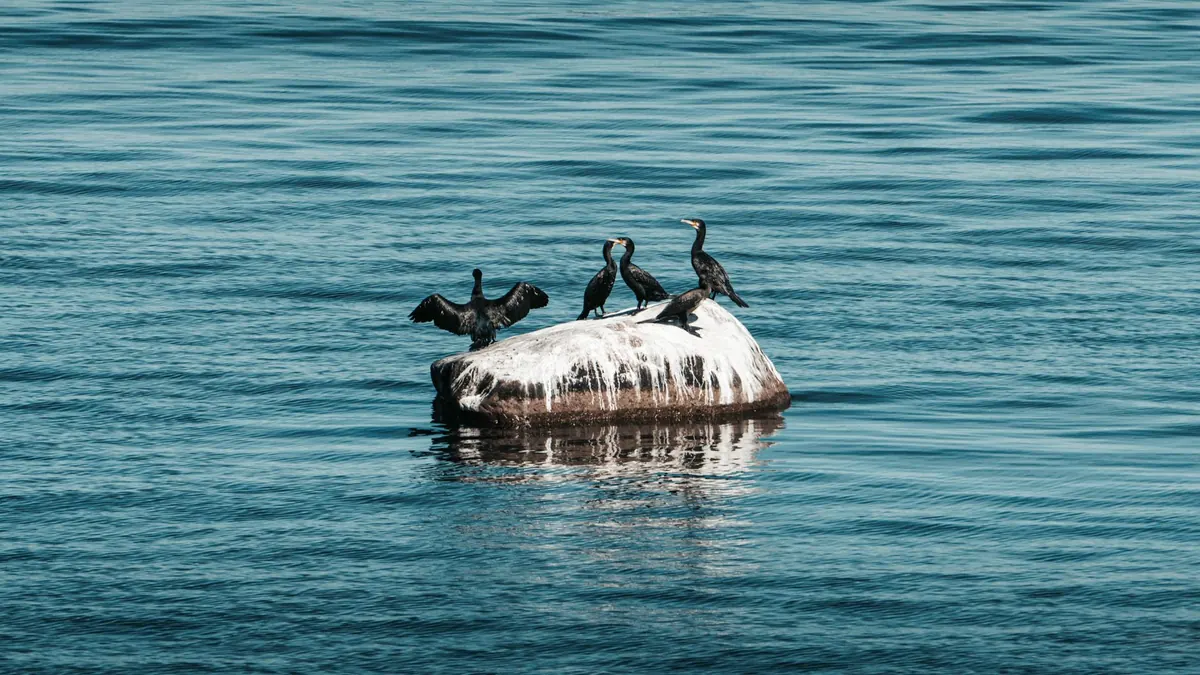
- Summer. The clear-water window. Dragonflies and damselflies patrol the margins, wading birds work the exposed gravel, and in the deeper pools you can often watch fish holding station in plain sight. Herons and kingfishers are easiest to see now — and easiest to disturb, so keep low and keep your distance.
- Autumn. Rising water again. Leaf fall, fungi along the bank, and on rivers with migratory fish, movement upstream. The first proper spate scours the channel and resets the whole landscape for winter.
The rule of thumb is simple. High, coloured water hides fish but concentrates birds on flooded ground. Low, clear water shows you everything — which means it also shows you how close you are, so give animals more room than you think you need.
Access: Choosing Your Route by the Level
Access is where the seasonal difference turns practical. The same walk can be a muddy slog in one month and a dry, shingly pleasure in another, and the changes are not always where you expect them.
- Prefer a falling river. Rising water brings debris, faster currents and a moving edge you cannot outguess. If the gauge is climbing, save the walk for another day.
- Dress for the water, not the air. Cold water in a high river saps heat quickly. Boots with grip beat trainers on wet clay every time.
- Do not walk a flooded path. You cannot see the edge, the hole or the collapse under the surface. Turn back and find a higher line along the bank.
- Keep dogs and children back from the lip of the bank. In high water, the margin is undercut and gives way; in low water, it is the pools that need protecting.
- In summer, plan around shade and stones. Open gravel bakes in the afternoon. Morning is better for both comfort and wildlife.
Before You Leave the House: A Five-Minute Water Check
None of this requires equipment. It requires five minutes and a little curiosity.
- Open the gauge reading for your stretch. Note the level and the direction of travel over the last two days.
- Check upstream rainfall for the past day and the forecast. What falls fifty kilometres up will reach you later.
- Decide which bank you want. High water often means the higher, wooded side is passable while the meadow side is not — and the reverse in a dry month, when the meadow gives you the best views of exposed gravel.
- Match your footwear and your ambitions to the level, not to the season.
- Tell someone your route and your turning-back point, and accept that turning back is part of the plan rather than a failure of it.
A river rewards the person who arrives expecting the version it is offering that day rather than the one in the photograph on the car park sign. Go and see it high, go and see it low, and you will end up knowing your stretch of water far better than any single visit could manage.
Photo: Tom Fisk / Pexels
River Towns vs. Riverside Villages: Choosing Where to Stay for a Slow Weekend
A river town gives you a station, a market and dinner options; a riverside village gives you mist, quiet...
What to Wear for a Cold-Weather River Walk: A Seasonal Checklist
A practical, season-by-season guide to layering, footwear and small essentials so a windy, muddy or frosty...
About Us